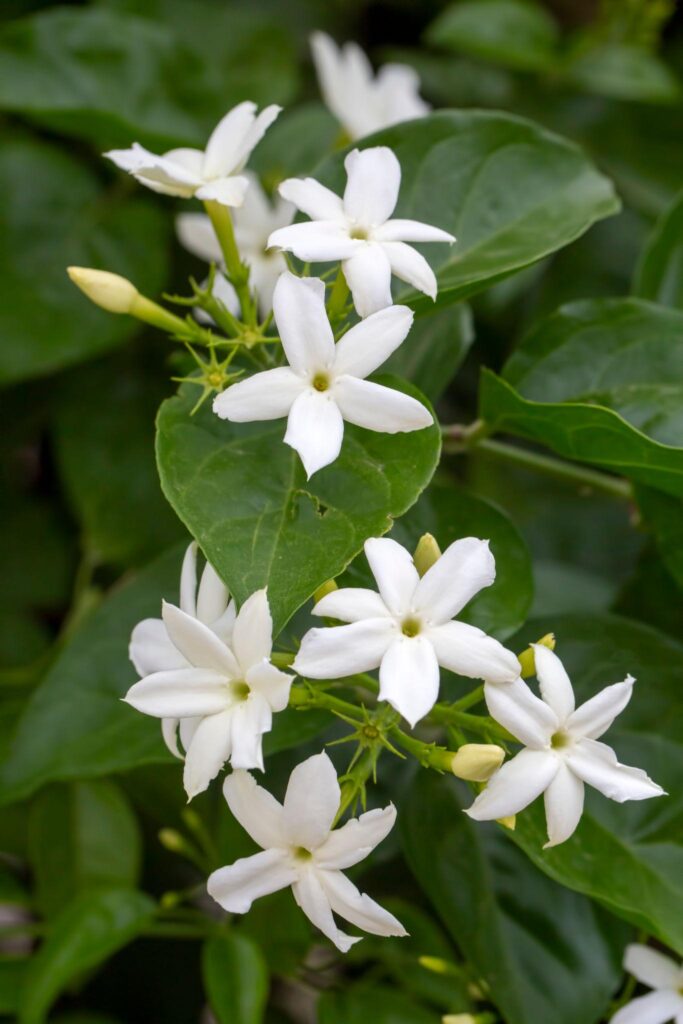
Proper Care of Jasmine: A Guide to Growing a Healthy and Beautiful Plant
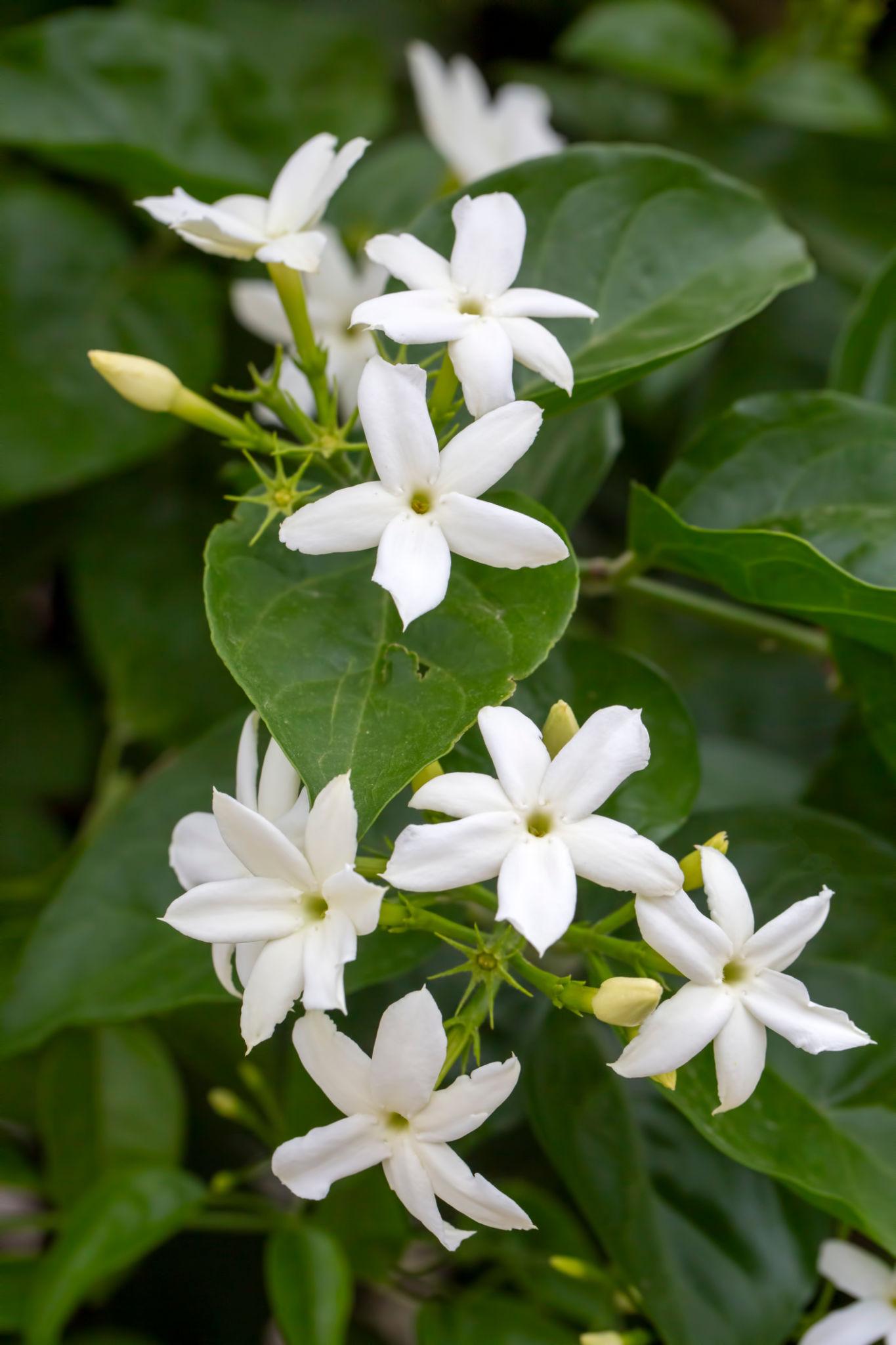
Jasmine is one of the most beloved flowering plants in the world because of its delicate white flowers, pleasant fragrance, and elegant appearance. Many people grow jasmine in their gardens, balconies, or homes because it creates a peaceful atmosphere and brings natural beauty to any space. However, like every plant, jasmine requires proper care and attention to grow strong, healthy, and full of flowers.
The first important factor in jasmine care is choosing the right location. Jasmine plants usually love sunlight and grow best when they receive several hours of direct sunlight every day. A bright and warm place helps the plant produce more flowers and develop stronger branches. If jasmine is grown indoors, it should be placed near a sunny window where it can receive enough natural light. Lack of sunlight may cause weak growth and fewer flowers.
Soil quality is another essential part of jasmine care. Jasmine prefers fertile, well-draining soil that allows water to move easily without staying around the roots. Heavy or constantly wet soil can cause root problems and may damage the plant. A mixture of garden soil, compost, and organic materials can create the perfect environment for healthy root development. Adding compost from time to time also provides important nutrients that support growth.
Watering jasmine correctly is very important. Although jasmine needs regular moisture, it does not like excessive water. The soil should be slightly moist but never completely soaked. During hot summer months, the plant may require more frequent watering because the soil dries faster. In cooler seasons, watering should be reduced because the plant uses less water. Checking the soil before watering is a simple way to prevent both dehydration and overwatering.
Fertilizing is also necessary to keep jasmine healthy. During the active growing season, usually in spring and summer, jasmine benefits from a balanced fertilizer that contains essential nutrients. Fertilizer helps the plant develop stronger leaves, branches, and flowers. However, too much fertilizer can harm the roots and reduce flowering, so it should always be used according to instructions.
Pruning plays an important role in maintaining the beauty and shape of jasmine. Regular pruning encourages new growth and helps the plant produce more flowers. Old, damaged, or weak branches should be removed to improve air circulation and allow sunlight to reach different parts of the plant. The best time to prune jasmine is usually after the flowering period, when the plant has finished producing most of its blossoms.
Jasmine plants can sometimes face problems caused by pests and diseases. Common pests include aphids, spider mites, and small insects that feed on the leaves and stems. Regularly checking the plant can help identify problems early. Natural solutions, such as washing leaves with water or using organic insect treatments, are often effective. Keeping the plant healthy through proper watering, sunlight, and nutrition also helps prevent many diseases.
Temperature and climate conditions are important for jasmine growth. Most jasmine varieties prefer warm temperatures and may suffer from extreme cold. If grown in an area with harsh winters, outdoor jasmine may need protection from frost. Some varieties can be moved indoors during colder months, while others can be covered to protect them from freezing temperatures.
Jasmine can also be propagated easily, allowing gardeners to grow new plants. One common method is using stem cuttings. A healthy branch can be placed in suitable soil or water until roots begin to develop. With patience and proper care, a new jasmine plant can grow successfully and eventually produce beautiful flowers.
Besides its decorative value, jasmine has cultural and emotional importance in many parts of the world. Its fragrance is often associated with relaxation, love, and happiness. Many people use jasmine flowers in traditional ceremonies, perfumes, and natural products. Growing jasmine at home allows people to enjoy both its beauty and its calming scent.
In conclusion, caring for jasmine requires attention to sunlight, soil, watering, fertilization, pruning, and protection from pests. When provided with the right conditions, jasmine can become a strong and beautiful plant that rewards gardeners with lovely flowers and a wonderful fragrance. With patience and regular care, anyone can successfully grow jasmine and enjoy the natural charm it brings to their surroundings.